Inside every Luminaire.
Every luminaire begins with a purpose: to shape light with precision, comfort, and clarity. What appears as a simple fixture is the result of carefully engineered components working together to deliver a seamless lighting experience. At the heart of every SALT luminaire is a balance between performance and restraint. The LED creates the light, the optics refine it, the driver ensures stability, and the heat sink preserves long term reliability.
Each element plays a critical role in transforming electrical energy into meaningful illumination. This page explores the anatomy behind our products, the components that often remain unseen but define how light is experienced within a space. From thermal management and optical control to electronic precision, every detail is designed to support architecture without distraction. Because exceptional lighting is not defined by what is visible. It is defined by everything working together behind the light.
High Efficiency Heatsink
Mounting Clips
Glare free Optics
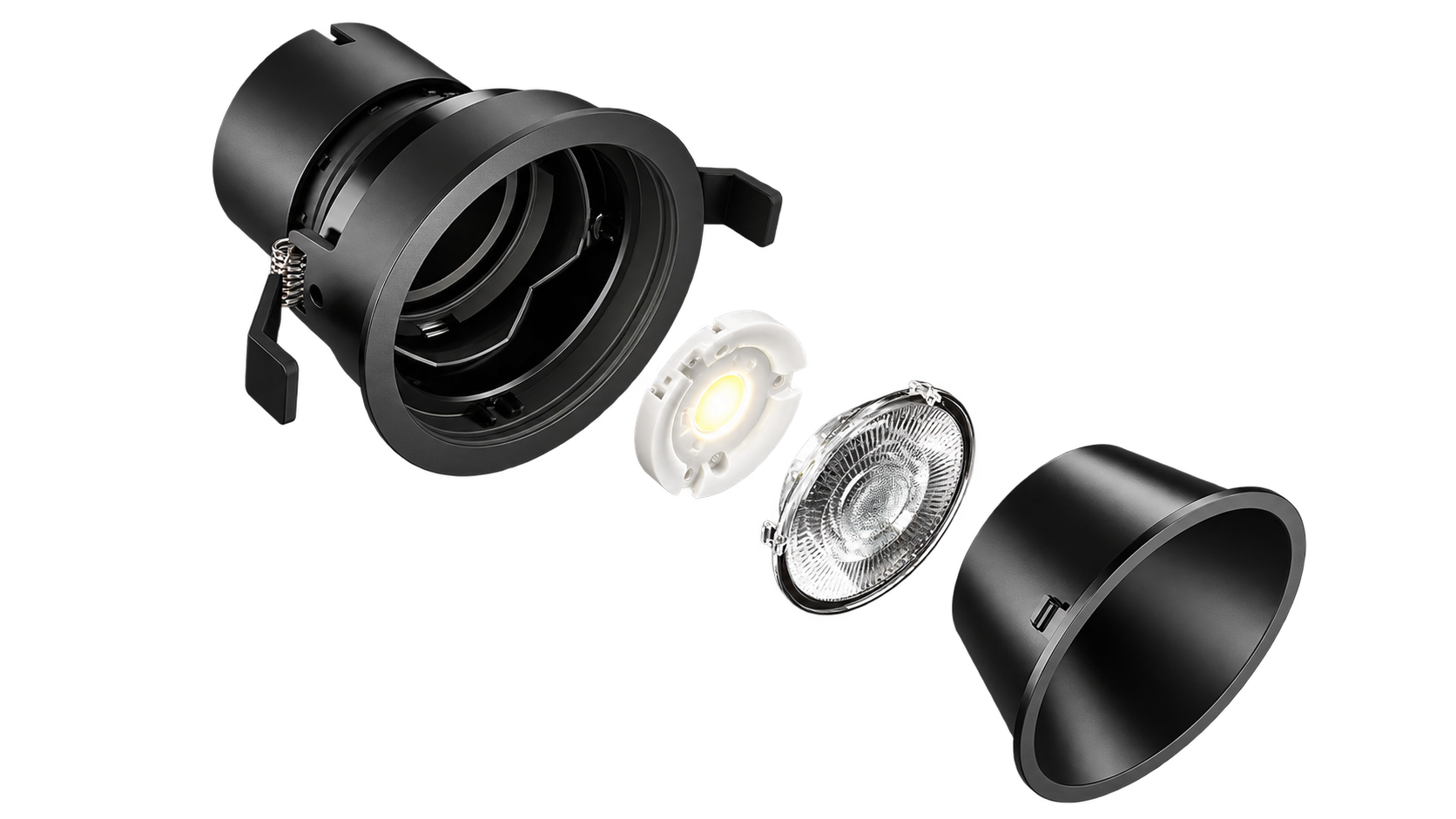
Casing
New-Gen LED chip
Glare free Reflector
High Efficiency Heatsink
Mounting Clips
Casing
New-Gen LED chip
Glare free Optics
Glare free Reflector
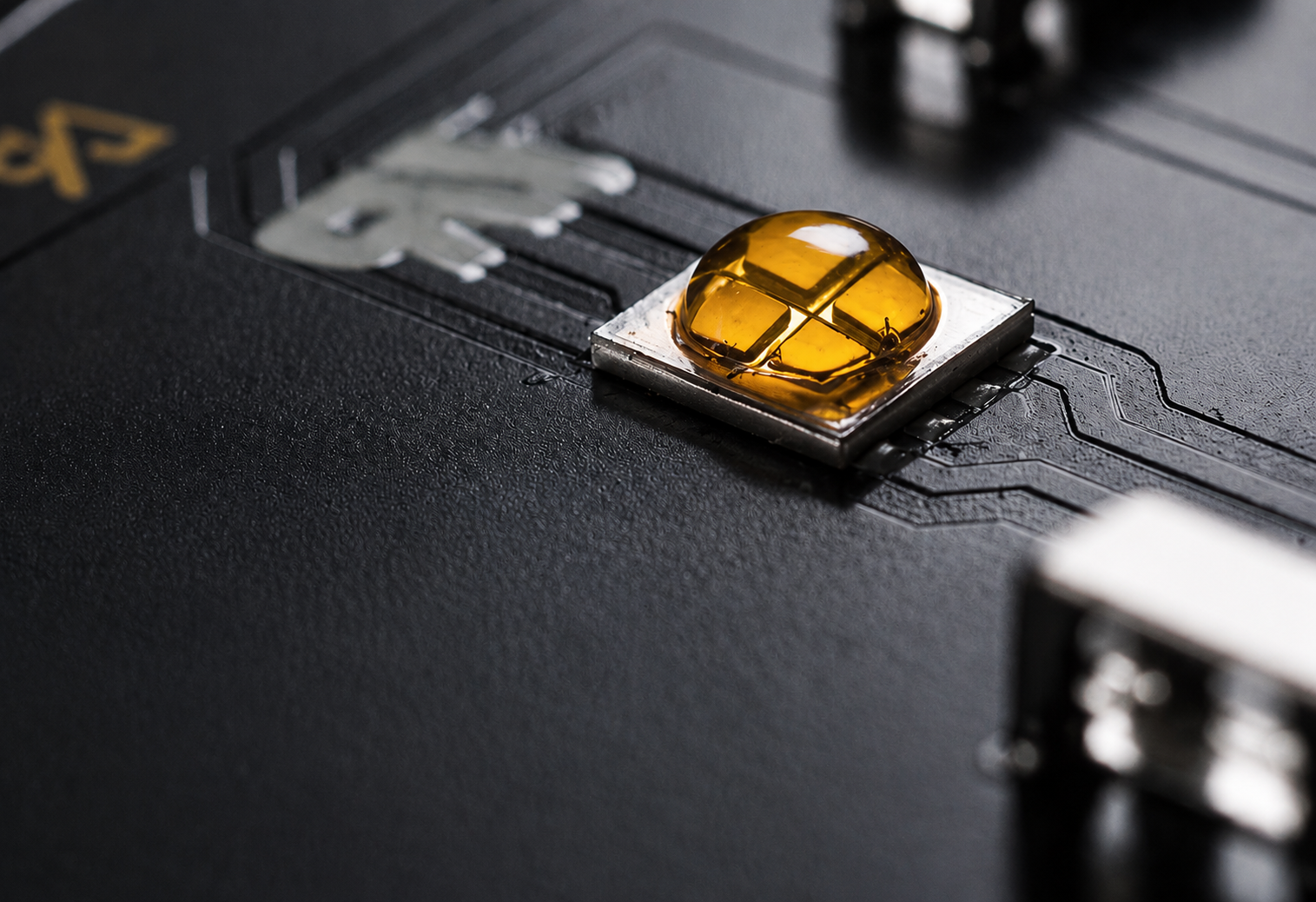
New-Gen LED chip
High-performance LED module for exceptional efficiency and long life. All LED chips have SDCM less than 3 and a CRI index greater than 90.
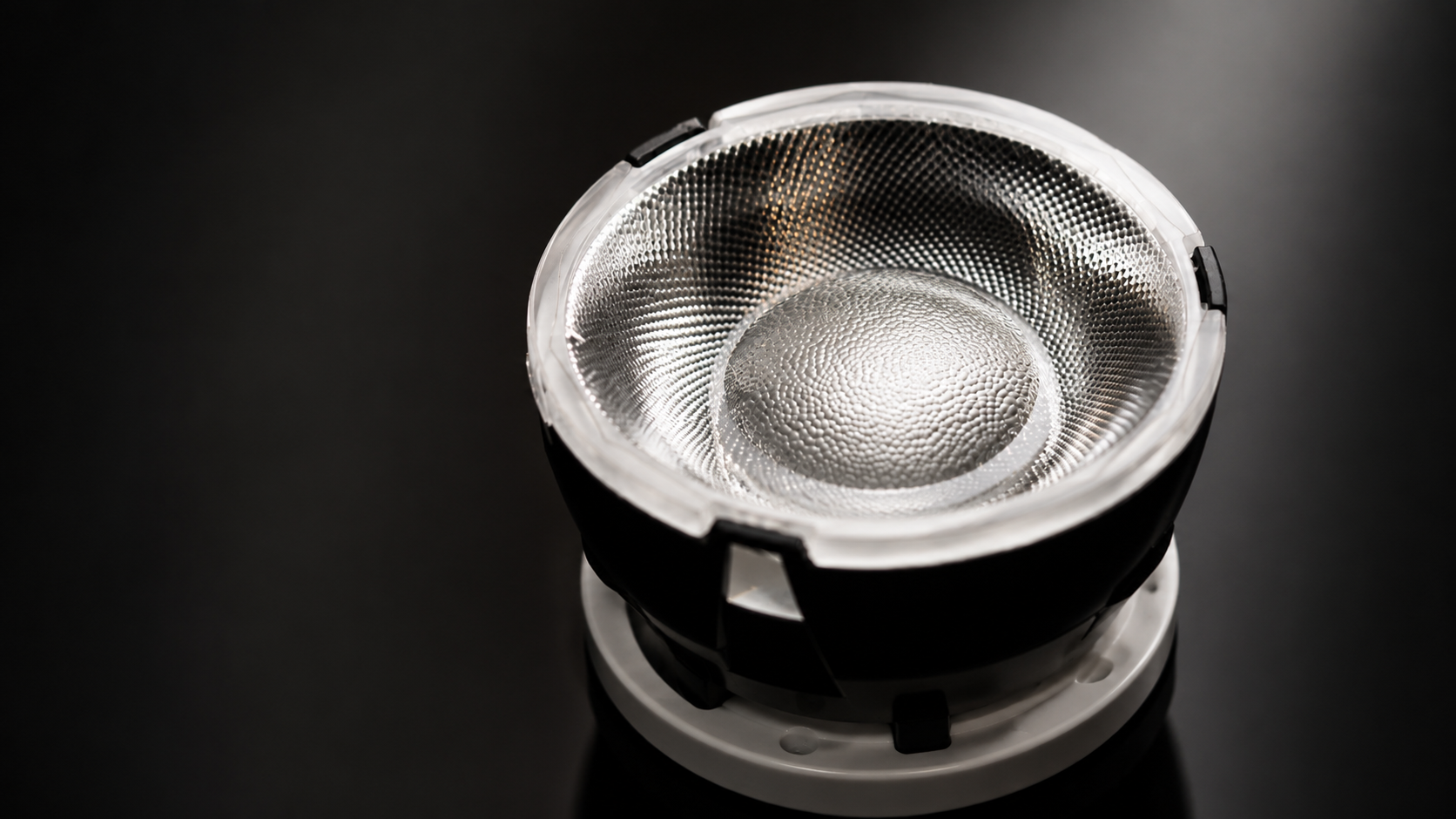
Glare free Optics
Precision optics shape the beam to direct light exactly where it belongs, minimizing glare while keeping the source hidden from view.

High-Efficiency Heatsink
Every fixture is a commitment to thoughtful engineering and meticulous detail. Thermal management to optical performance, each component serves a purpose.
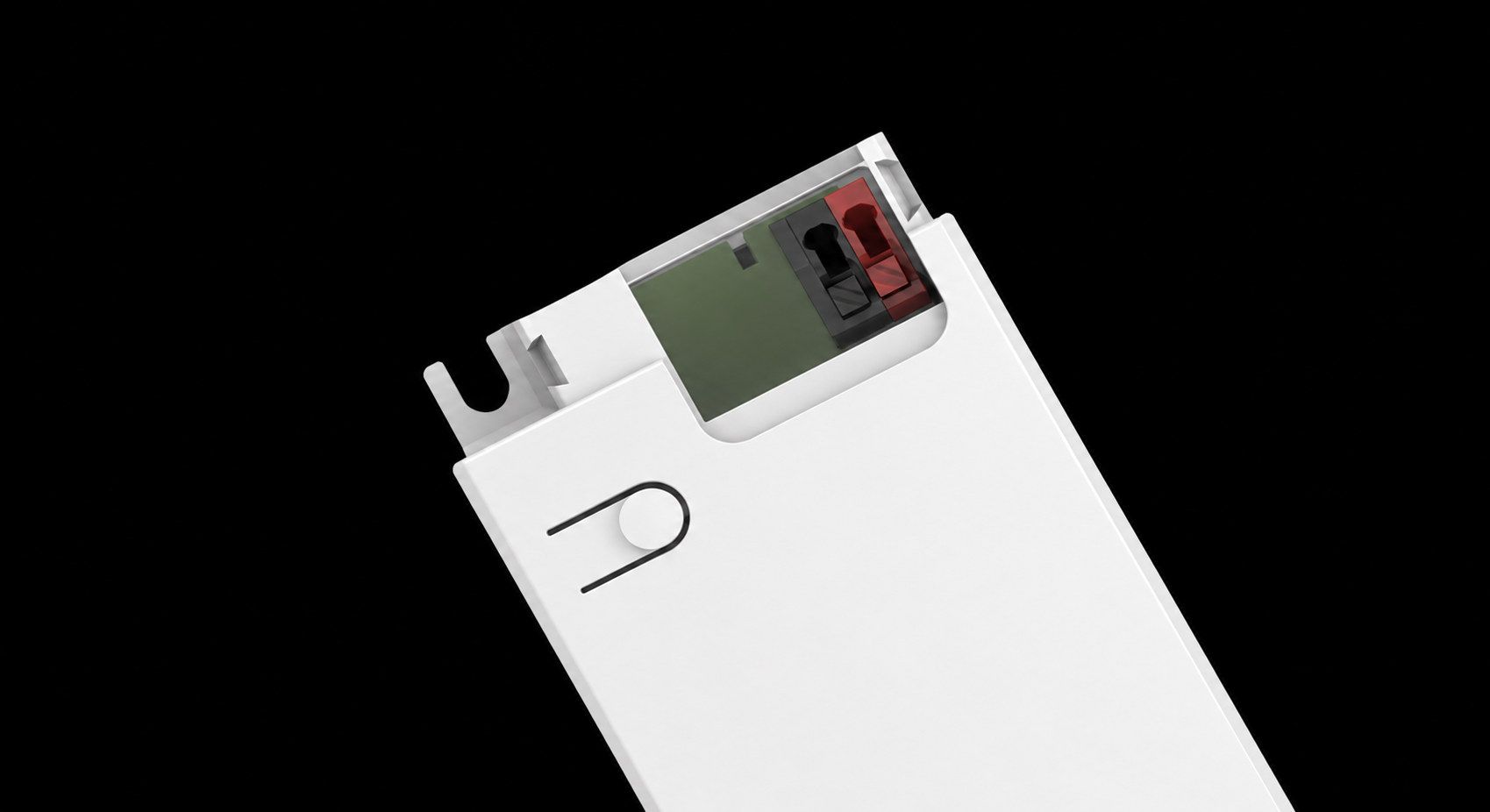
Flicker free Drivers
These drivers manage the power, ensuring smooth, flicker-free dimming so the light fades seamlessly without hesitation or hum.
New-Gen LED chip
The quality of light is measured not only by how bright it is, but by what it reveals.
True Colour LED technology works across a spectrum of more than one billion wavelengths, reproducing colour with exceptional depth and accuracy. Particular attention to the red and green regions of the spectrum allows materials, food and skin tones to appear more natural and lifelike.
CRI expresses the fidelity with which a light source reveals colour, while colour temperature, measured in Kelvin, defines its warmth or coolness. The balance between spectrum, colour rendering and temperature creates light that feels natural to the eye and considered within the space.

True Colour
Our Next-Gen LEDs use a broad spectrum of more than one billion wavelengths to create balanced, natural light. By reproducing red and green wavelengths more accurately, Luminaires reveal richer and more lifelike colours across the space creating an experience.
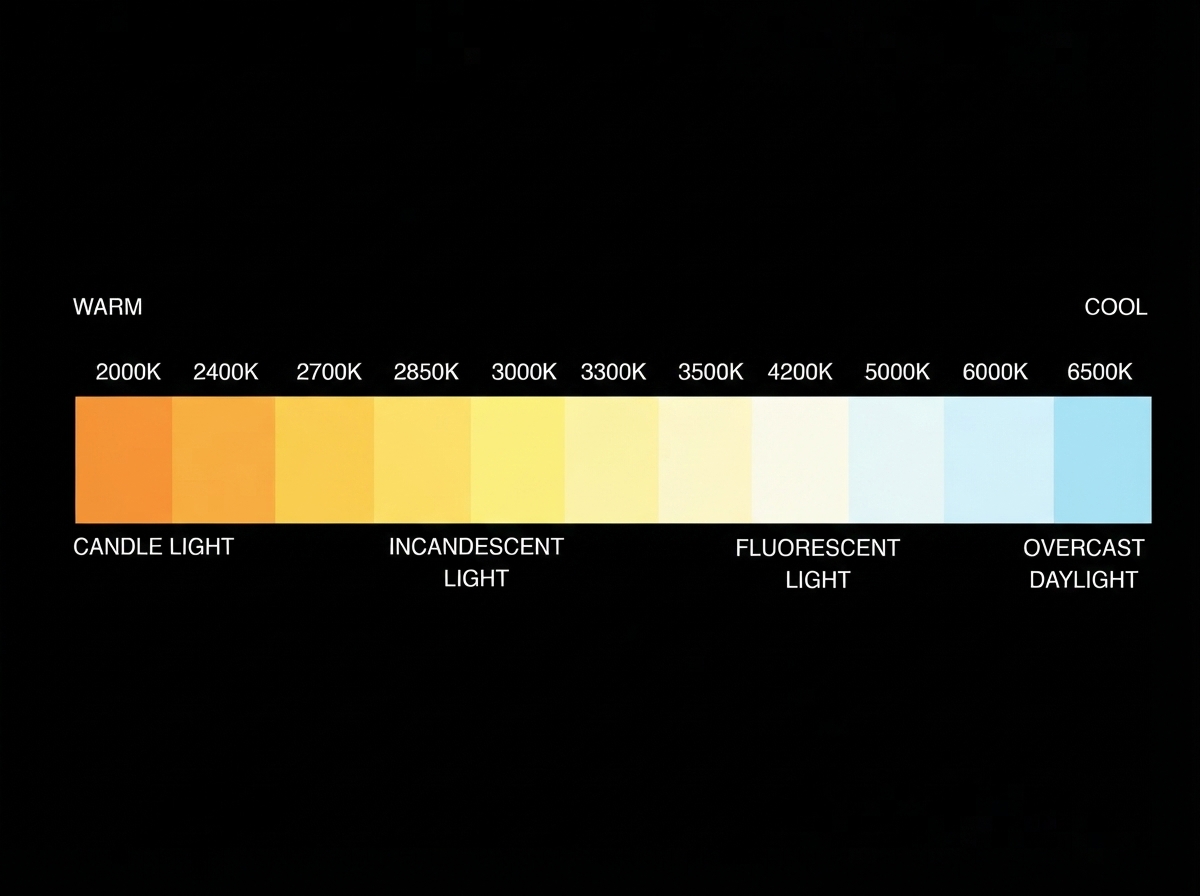
Colour Temperature
Colour temperature is used as a method of describing the warmth or coolness of a light. The spectrum of colour temperature is measured in Kelvin degrees. These values are used to describe the colour emitted from lighting sources.
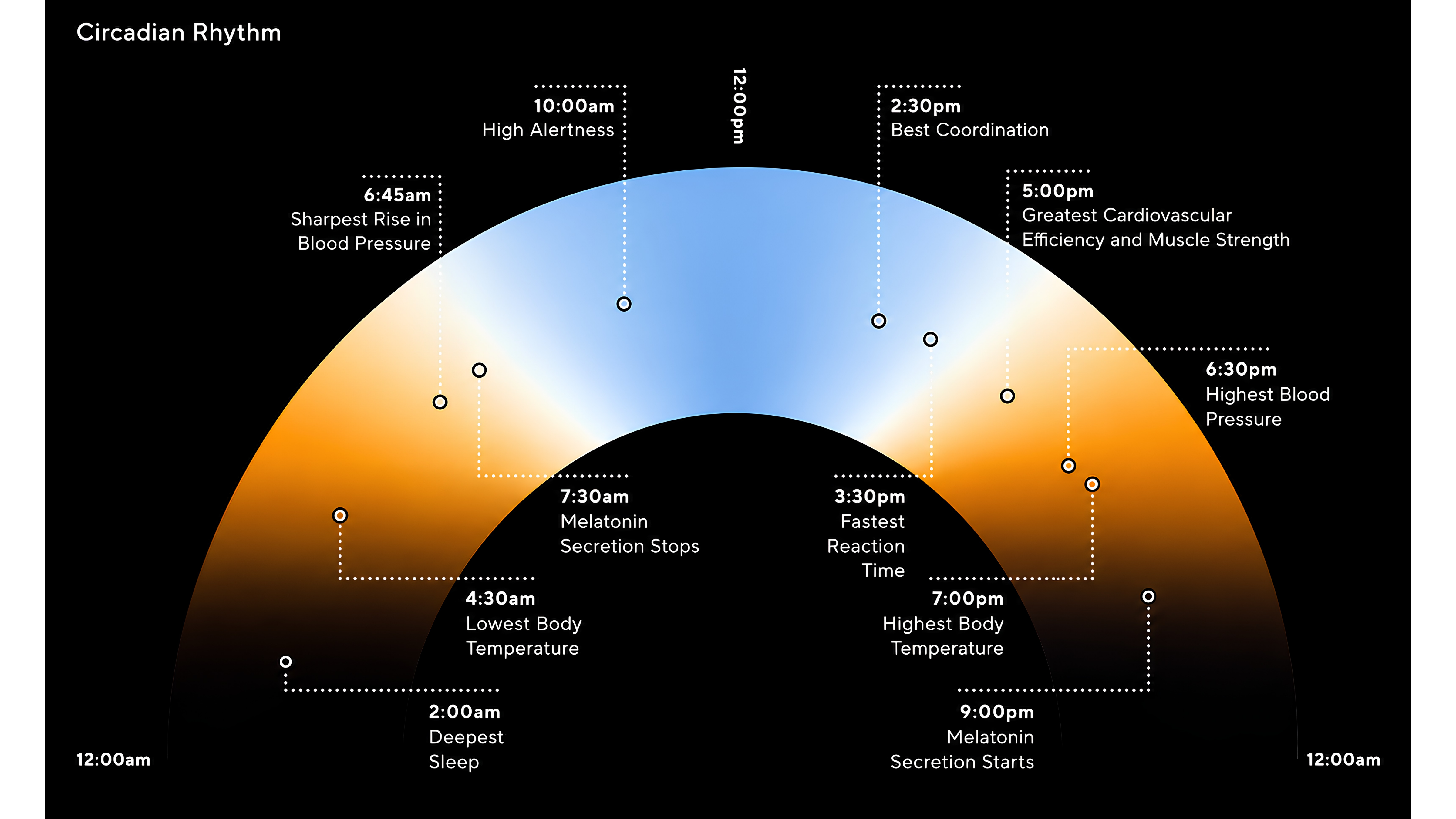
Circadian lighting
Light influences how we perceive space, colour, and time. Human Centric Lighting is designed to align with our natural circadian rhythm, enhancing focus, supporting restful sleep, and promoting overall well-being through a balanced spectrum of light.
SDCM: colour consistency with LEDs
When multiple fixtures are placed in a room, the light should look identical. We strictly control colour matching so the tone remains perfectly uniform from one fixture to the next.

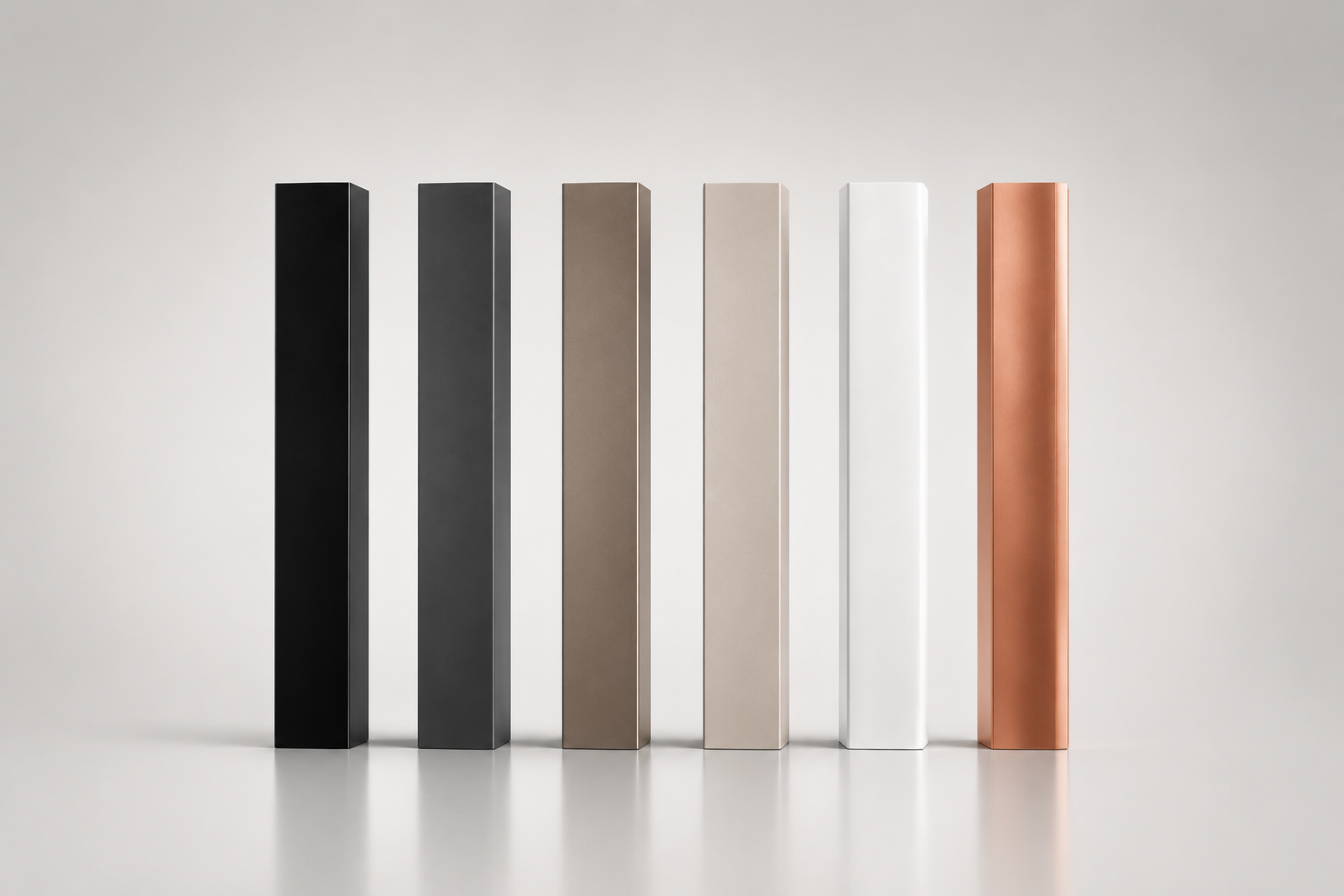
Customised body colour
Available in finishes that match your space, making every lighting fixture feel like a natural part of the design.
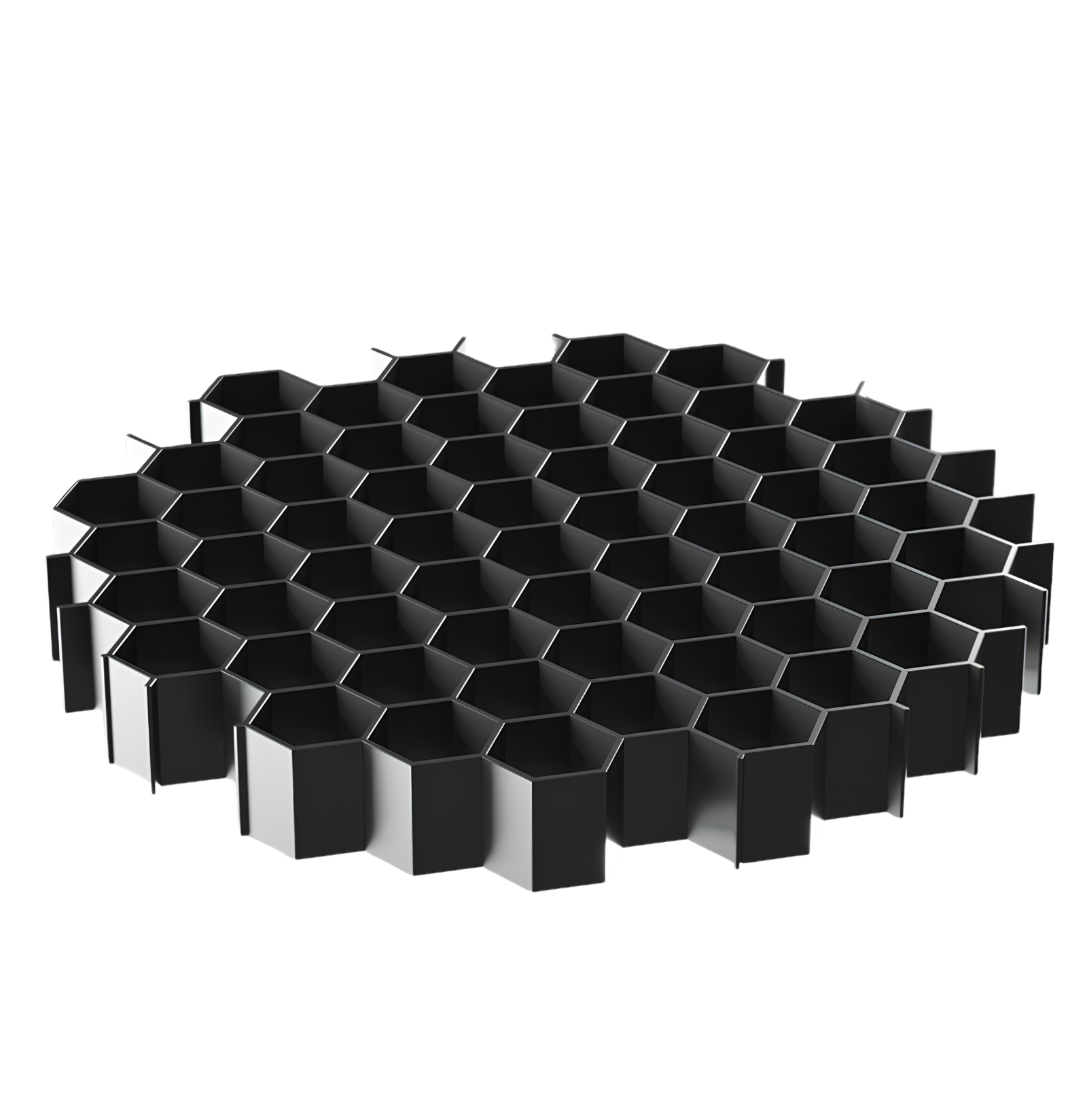
Accessories
Advanced honeycomb and diffused filters reduce glare, enhance visual comfort, and provide a soft, even spread of illumination.
New-Gen LED chip
The quality of light is measured not only by how bright it is, but by what it reveals.
True Colour LED technology works across a spectrum of more than one billion wavelengths, reproducing colour with exceptional depth and accuracy. Particular attention to the red and green regions of the spectrum allows materials, food and skin tones to appear more natural and lifelike.
CRI expresses the fidelity with which a light source reveals colour, while colour temperature, measured in Kelvin, defines its warmth or coolness. The balance between spectrum, colour rendering and temperature creates light that feels natural to the eye and considered within the space.
True Colour
Our Next-Gen LEDs use a broad spectrum of more than one billion wavelengths to create balanced, natural light. By reproducing red and green wavelengths more accurately, Luminaires reveal richer and more lifelike colours across the space creating an experience.
Colour Temperature
Colour temperature is used as a method of describing the warmth or coolness of a light. The spectrum of colour temperature is measured in Kelvin degrees. These values are used to describe the colour emitted from lighting sources.
Circadian lighting
Light influences how we perceive space, colour, and time. Human Centric Lighting is designed to align with our natural circadian rhythm, enhancing focus, supporting restful sleep, and promoting overall well-being through a balanced spectrum of light.